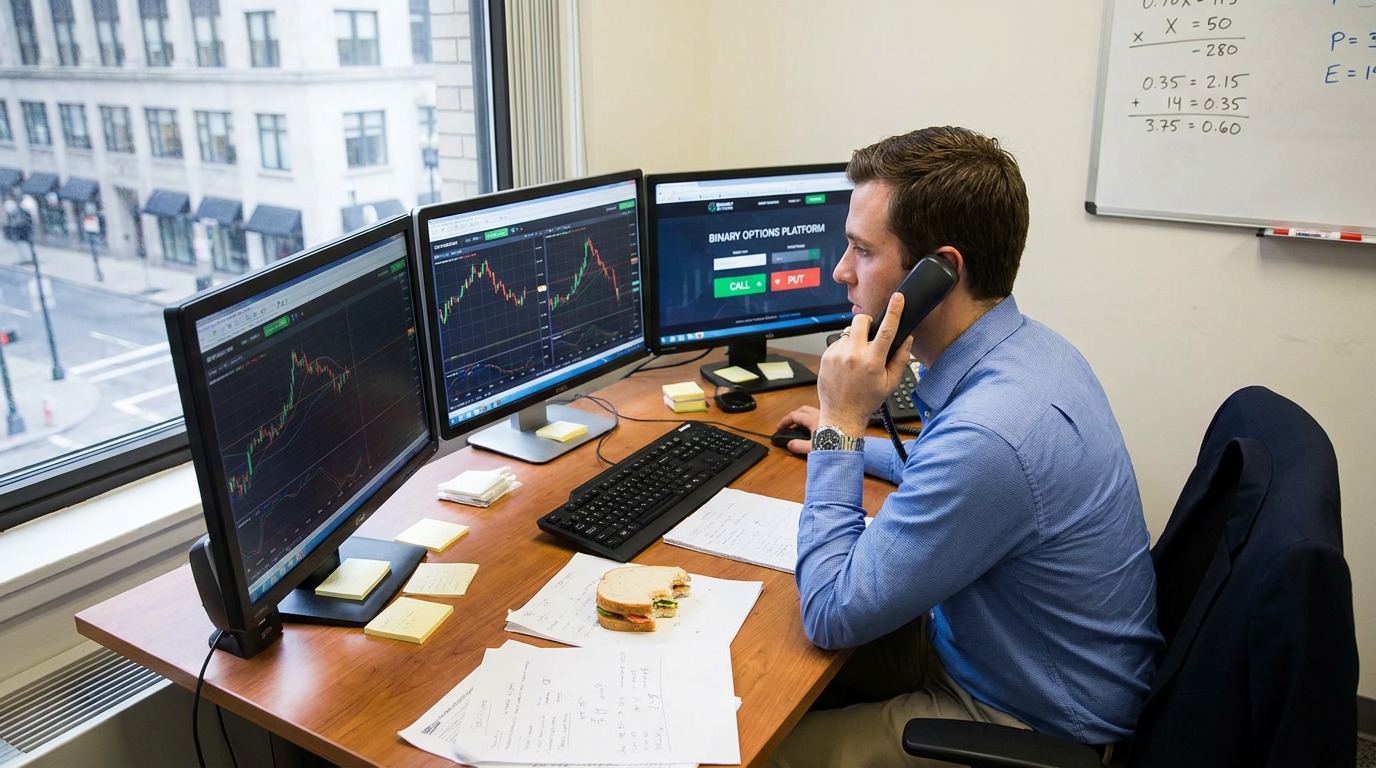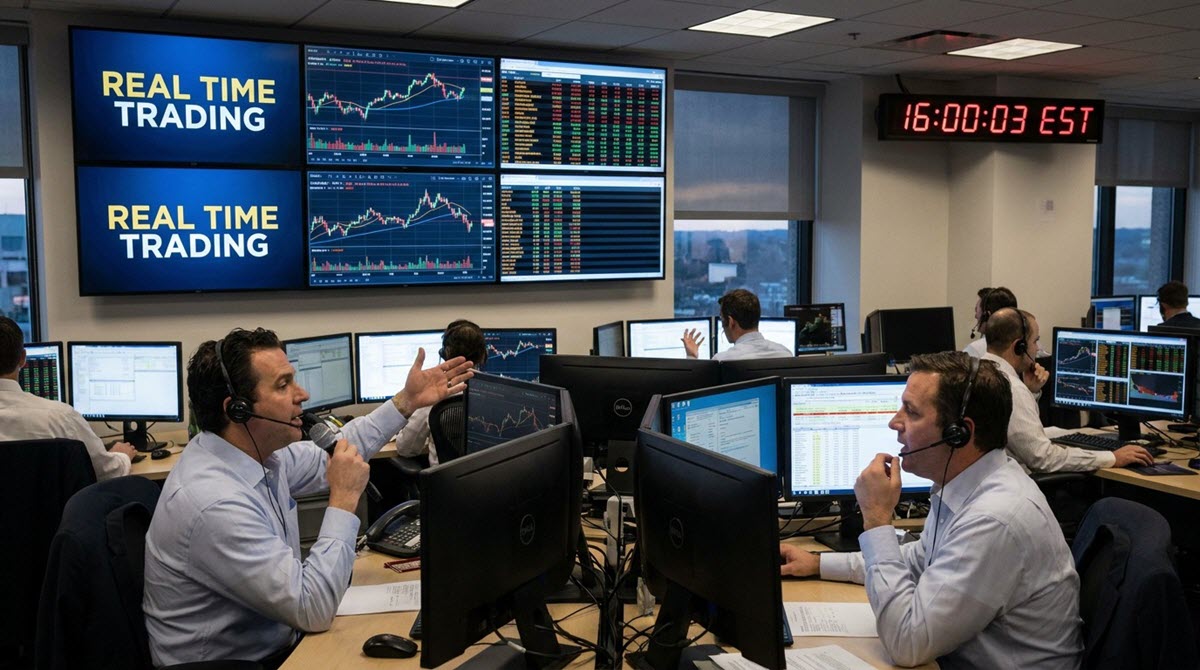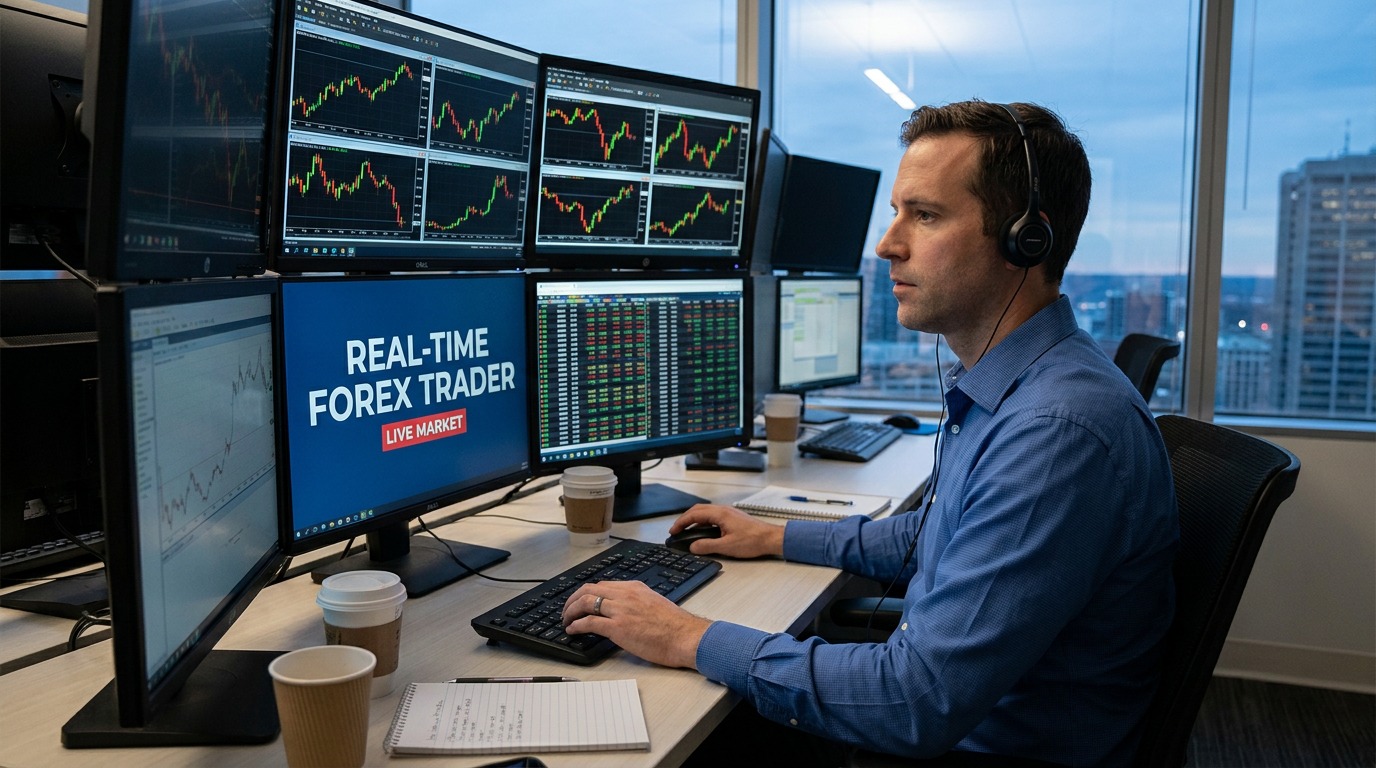
Real time forex trading is the act of making trading decisions from live currency prices rather than delayed charts, end of day data or broad market commentary. The trader watches bid and ask quotes, spreads, order execution, news, session movement and account exposure while the market is open. In forex, that usually means dealing with a market that trades 24 hours a day from the Asian open through the New York close, with liquidity changing as sessions overlap and thin out.
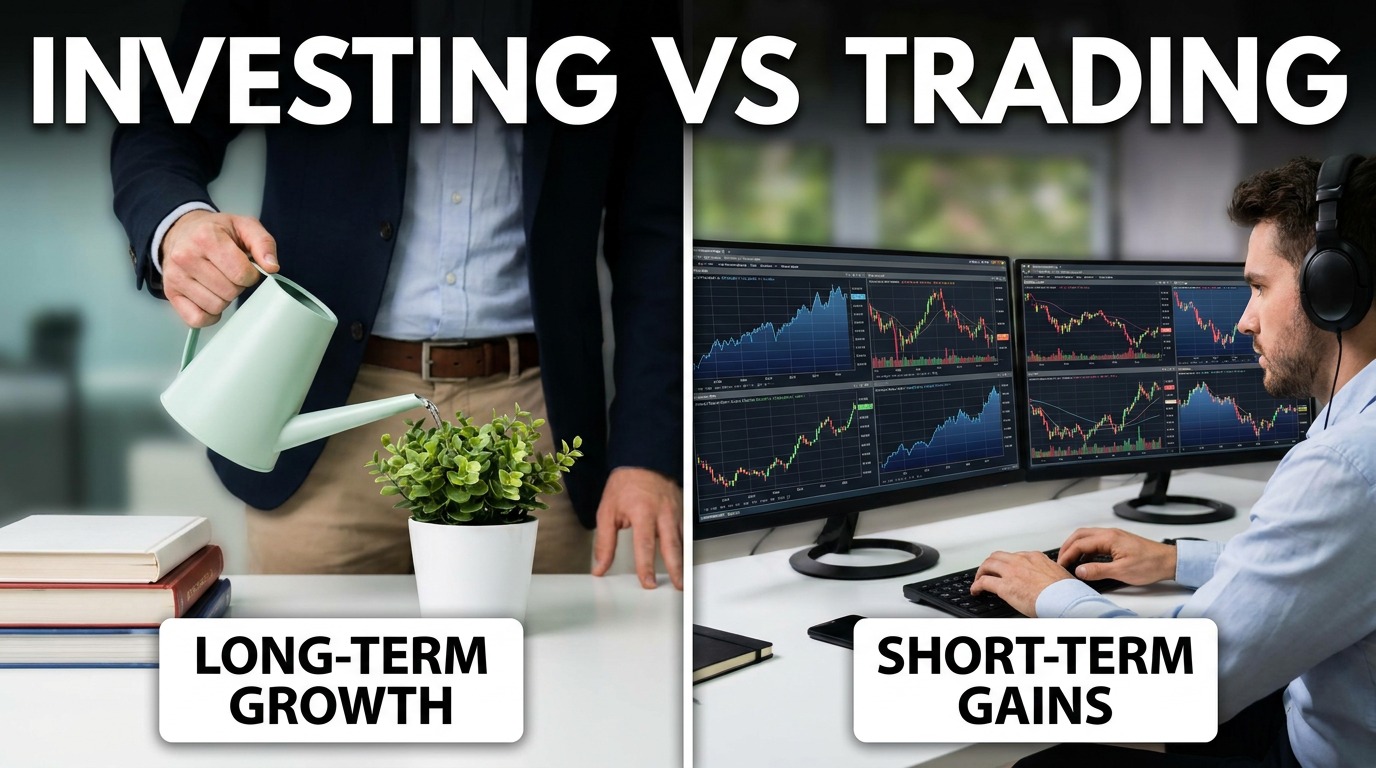
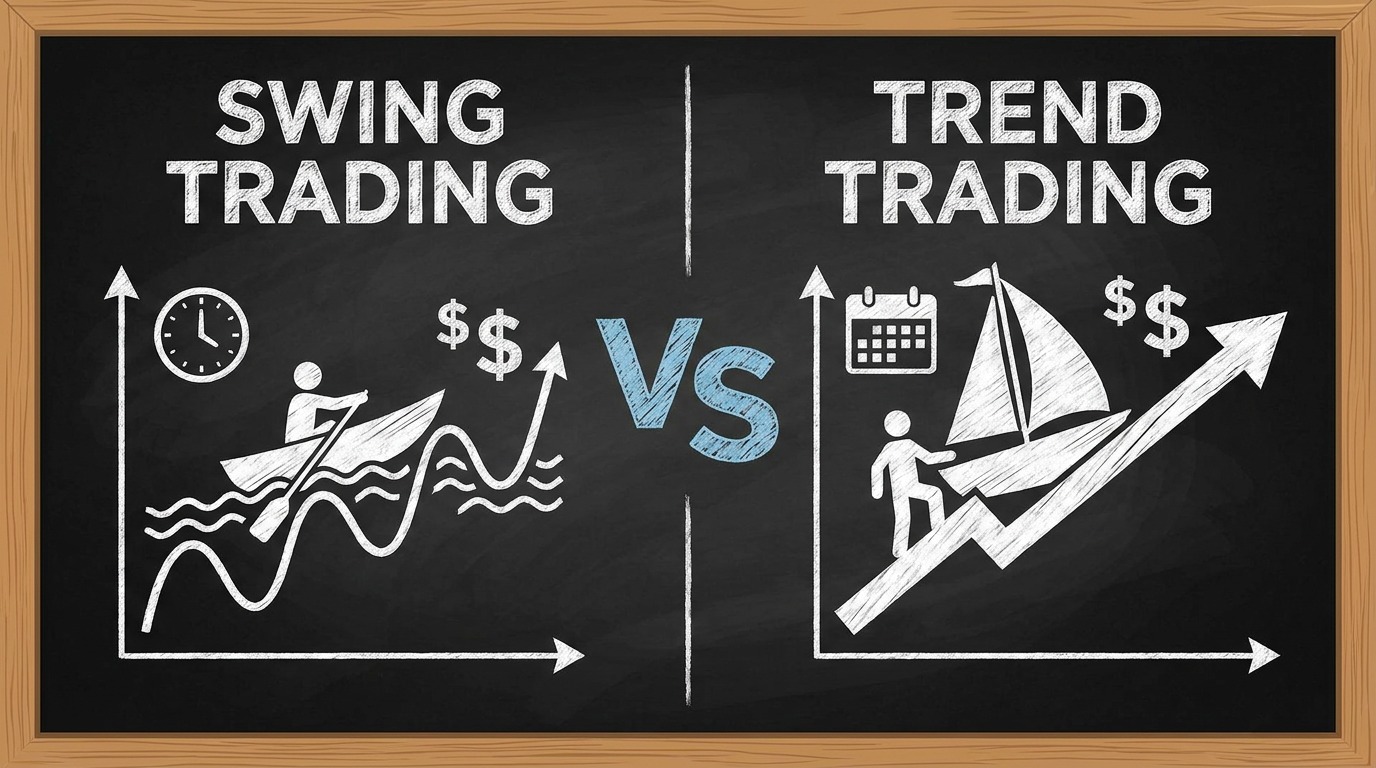
The phrase sounds simple, but it covers several trading styles. A scalper may trade from second to second. A day trader may hold positions for minutes or hours. A swing trader may use real time alerts to improve entry timing, then hold for days. A news trader may react to inflation data, central bank statements or employment reports. All of them are using live FX conditions, but not in the same way.
A trader researching broker access, trading conditions and account types can use Forex.ke as a starting point for comparing forex brokers and reading about broker safety.
Another useful research source is ForexBrokersOnline.com, which can help traders compare forex providers, platforms, fees and trading account features.
Those comparison steps matter because real time forex trading depends heavily on the broker. The trader is not only forecasting EUR/USD, GBP/JPY or XAU/USD. They are also relying on a platform, price feed, spread model, execution policy, margin system and withdrawal process. A good chart setup can still perform badly if the broker widens spreads, rejects orders, delays execution or applies poor slippage rules.
The main point is this: real time forex trading is not just faster trading. It is trading where live market conditions affect every part of the decision, from entry price to stop placement to position size.
Why Live Pricing Changes the Trade
Forex is quoted through a bid and ask price. The bid is the price at which the trader can sell. The ask is the price at which the trader can buy. The difference is the spread. In calm, liquid conditions, that spread may be tight. During news, rollover or thin market hours, it can widen quickly.
This is why real time pricing matters. A delayed chart may show EUR/USD near a planned entry level, but the live spread may make the trade unattractive. A trader may think a stop is safely placed, only to see the bid briefly touch it during a liquidity gap. On the platform, the chart can look clean. The live dealing conditions may be messier.
Real time FX traders need to think in tradable prices, not chart levels. A line on a chart is not an execution guarantee. If GBP/USD is pushing through resistance, the trader still needs to know the actual ask price, spread, order type and available liquidity. The breakout may be real, but the entry may still be poor if the spread has expanded.
This is especially true for short term strategies. A swing trader targeting 150 pips can tolerate more spread variation than a scalper targeting 5 pips. A news trader who enters during a central bank statement may face slippage that completely changes the trade. The shorter the target, the more live pricing matters.
Real time pricing also affects psychology. A trader watching every tick may feel pressure to act. The market moves, pauses, spikes, pulls back and moves again. Without a plan, live data becomes noise with colours. The trader needs to know which prices matter before the alert fires. Otherwise, real time trading becomes real time guessing.
Spreads, Liquidity and Execution
The spread is the first visible cost of forex trading. Commission may also apply, depending on the broker and account type. Some accounts charge no separate commission but include the broker’s markup in the spread. Others offer raw or near raw spreads plus a fixed commission. Neither model is automatically better. The trader has to calculate total cost.
For active traders, spreads can decide whether a system is viable. A strategy that looks good on a chart may fail once the spread is included. If a trader takes 100 trades per month and pays one extra pip per trade, that cost is not a small detail. It is a recurring drag. Markets are already hard enough without paying a silent subscription to bad pricing.
Liquidity changes through the day. Major pairs such as EUR/USD and USD/JPY are usually most liquid during active London and New York hours. Crosses and exotic pairs can be thinner. Liquidity can also dry up before major news, near rollover, during holidays and around sudden shocks. Real time traders need to know when their pair usually behaves well and when it starts acting like it has had no sleep.
Execution is the next layer. When a trader places an order, the broker has to process it, route it, match it, internalise it or execute it against available liquidity depending on the model. The trader may receive the requested price, a better price, a worse price or no fill. Slippage is not always abuse. It is often a feature of a moving market. The fair question is whether slippage is balanced, explainable and consistent with the broker’s execution policy.
In regulated jurisdictions, firms have duties around execution. UK FCA rules require firms to take sufficient steps to obtain the best possible result for clients, considering factors such as price, costs, speed, likelihood of execution and settlement, size and nature of the order.
For real time forex traders, that means execution quality should be reviewed, not assumed. Keep records of entry price, requested price, fill price, spread at entry, order type, slippage, rejected orders and time of execution. Over a large sample, those records show whether the broker is helping, hurting or simply behaving as expected.
Broker Model and Platform Reliability
Forex brokers can operate different execution models. Some act as market makers and take the other side of client trades. Some offer STP or ECN style accounts that route flow to liquidity providers or aggregate prices. Some use hybrid models where certain flow is internalised and other flow is hedged externally. The labels matter less than the actual contract, pricing and execution data.
A real time trader should not treat “ECN,” “STP,” “raw spread” or “no dealing desk” as automatic proof of quality. Broker marketing loves these terms because traders react to them. A broker can use liquidity providers and still have poor execution. A market maker can offer fair pricing and stable fills. The model is part of the assessment, not the whole answer.
Platform reliability matters just as much. A broker can offer tight spreads but fail if the platform freezes during news. A trader who cannot close a position when volatility spikes has a serious problem. It does not matter how beautiful the interface is. A trading platform that locks up when the trade needs managing is a decorative liability.
Real time forex traders should test the platform during active conditions. Demo accounts are useful for learning the layout, but they do not always match live execution. A better test is small live size, especially around normal active periods, not extreme news events at first. The aim is to learn how the platform handles orders, stop placement, modification, partial closes, alerts and account margin in real use.
Regulation must also sit above the broker model. In the United States, registered Retail Foreign Exchange Dealers must be NFA members and designated as Forex Dealer Members unless exempt, according to the NFA’s RFED registration requirements.
That sort of regulatory check does not make trading safe, but it tells the trader whether the firm is meant to meet a recognised framework. If the broker is offshore, lightly regulated or vague about the legal entity, the trader has to accept more counterparty risk. A fast platform is not enough if the money cannot be withdrawn.
Risk Management in Live FX Markets
Real time forex trading needs risk control before the trade, not after the candle starts moving.
The first risk control is position size. The trader should decide how much of the account is at risk if the stop is hit. This should be calculated from stop distance, pip value, lot size and account currency. Guessing lot size because the trade “looks good” is how small mistakes become account events.
The second control is stop placement. A stop should be placed where the trade idea is invalidated, not where the trader feels comfortable losing money. If the valid technical stop is too far away, the position size should be reduced. Moving the stop closer just to make the lot size bigger is not risk management. It is spreadsheet fiction.
The third control is leverage. Forex is usually traded on margin, which allows a trader to control a larger position than the account balance would otherwise permit. Leverage can make capital use efficient, but it also magnifies losses. The CFTC and NASAA warn that off exchange forex trading by retail investors is extremely risky at best and, at worst, outright fraud.
The fourth control is negative balance protection, where available. UK and EU style retail CFD rules include protections designed to stop retail clients losing more than the funds in their account. ESMA’s CFD product intervention measures included leverage restrictions, margin close out protection, negative balance protection and limits on incentives for retail clients.
The fifth control is margin monitoring. A trader should know free margin, margin level, stop out rules and how the broker liquidates positions. Some brokers close the largest losing position first. Others close positions in a different order. During a fast move, liquidation may not happen at the exact level the trader expects. The terms matter.
The sixth control is daily loss limit. Real time forex can become addictive because the market is almost always open. A trader who loses in London can try again in New York. A trader who loses in New York can wait for Asia. This sounds like opportunity. Often, it is just an extended opening time for bad decisions. A daily loss limit tells the trader when to stop.
The seventh control is trade frequency. More trades do not mean more edge. They mean more spread, more commission, more decisions and more chances to break the plan. A trader should know the normal number of valid setups in a session. If the plan usually gives two or three trades and the trader has taken 14 by lunch, the plan has probably left the building.
News, Sessions and Volatility
Real time forex trading changes by session. The Asian session can be quieter for some major pairs but active for JPY, AUD and NZD related pairs. London often brings stronger liquidity and movement. The London and New York overlap can be highly active, especially for EUR/USD, GBP/USD, USD/JPY and major risk pairs. Late New York and rollover can become thinner and more expensive.
A real time trader should know the rhythm of the pair being traded. EUR/USD does not behave like GBP/JPY. USD/TRY does not behave like AUD/USD. Gold can move differently from standard FX pairs even when traded on the same platform. Each instrument has its own spread pattern, volatility profile and news sensitivity.
News is a separate problem. Central bank rate decisions, inflation data, employment reports, GDP releases and surprise political events can move currencies sharply. A setup that looks calm five minutes before a release may become untradable immediately after. Some traders specialise in news. Most should be careful around it.
The CFTC warns that the forex market is volatile and carries substantial risks, and that traders can lose most or all of their money very quickly.
That warning is not there to ruin the fun. It reflects how quickly leveraged currency exposure can move against a retail account. Real time forex trading gives immediate access to opportunity, but it also gives immediate access to mistakes. The faster the market, the less room there is for vague thinking.
How to Build a Real Time Forex Workflow
A real time forex workflow should start before the trading session. The trader checks the economic calendar, major news, overnight movement, open positions, account exposure, spreads and session focus. The aim is to avoid beginning the session by asking, “what looks interesting?” That question is too broad. It usually ends with chasing whatever just moved.
The next step is pair selection. A trader does not need to watch 28 pairs at once. More charts often mean less focus. It is better to track a smaller group and understand their normal behaviour. EUR/USD, GBP/USD, USD/JPY, AUD/USD and gold may already provide more than enough movement for one trader. If a trader cannot manage five markets well, adding 20 more will not create discipline. It will create a cockpit with no pilot.
The third step is level marking. Before active trading starts, mark support, resistance, trend structure, prior highs, prior lows, session ranges, liquidity zones and planned entry areas. The real time session should then be about waiting for price to reach planned areas, not inventing new trades every time a candle changes colour.
The fourth step is alert use. Alerts should be placed around decision areas, not random prices. A useful alert says price has reached a planned zone, broken a session high, tested a prior low, or moved near a stop level. A useless alert says the market moved. Markets do that. Very often, in fact.
The fifth step is entry confirmation. The trader decides what evidence is needed before entering. That may be a breakout hold, a rejection wick, a close beyond a level, a pullback, a volatility expansion, or a moving average reclaim. The exact trigger depends on the strategy. The point is that it should be known before the trade.
The sixth step is execution. The trader uses the correct order type for the trade. Market orders prioritise speed. Limit orders control price. Stop orders trigger on movement. Stop limit orders control price after trigger but may fail to fill. There is no perfect order type. There is only the order type that fits the setup.
The seventh step is review. At the end of the session, review fills, slippage, spread, timing, trade quality, emotional errors and rule breaks. Real time trading improves through review. Without review, the trader is just collecting experiences and calling them lessons.
Mistakes Real Time FX Traders Make
The first mistake is trading live data without a plan. Real time quotes make the market feel urgent. A moving price can trick the trader into believing an opportunity is disappearing. Sometimes it is. Often, it is just noise with better lighting.
The second mistake is ignoring the spread. A trader may enter a setup because the chart level looks clean, but the live spread makes the trade unattractive. This is common during news, rollover and thin sessions. The spread is not a footnote. It is part of the entry.
The third mistake is using too much leverage. A small account with large lot size can look fine until the first normal adverse move. Traders often blame the market when the real problem was position size. The pair did not do anything unusual. The account was just too fragile.
The fourth mistake is moving stops. A trader places a stop, price moves toward it, and the trader shifts it away. The trade is no longer controlled by the plan. It is controlled by hope, which has a poor long term audit record.
The fifth mistake is revenge trading. Forex is open long enough to tempt traders into recovering losses immediately. The trader loses in EUR/USD, then jumps into GBP/JPY, then gold, then back to EUR/USD. By the end of the session, the original loss has become a portfolio of emotional souvenirs.
The sixth mistake is trusting broker labels without checking the entity. A broker may advertise raw spreads, ECN execution, high leverage or award winning service. The trader still needs to check regulation, account terms, withdrawal rules and execution history. Broker slogans are not due diligence. They are decoration with a deposit button.
The seventh mistake is trading during events the strategy was not built for. A normal technical strategy may not survive a central bank press conference. A breakout strategy may fail in thin rollover conditions. A scalping system may collapse when spreads widen. Real time traders need filters. Not every active market is a tradable market.