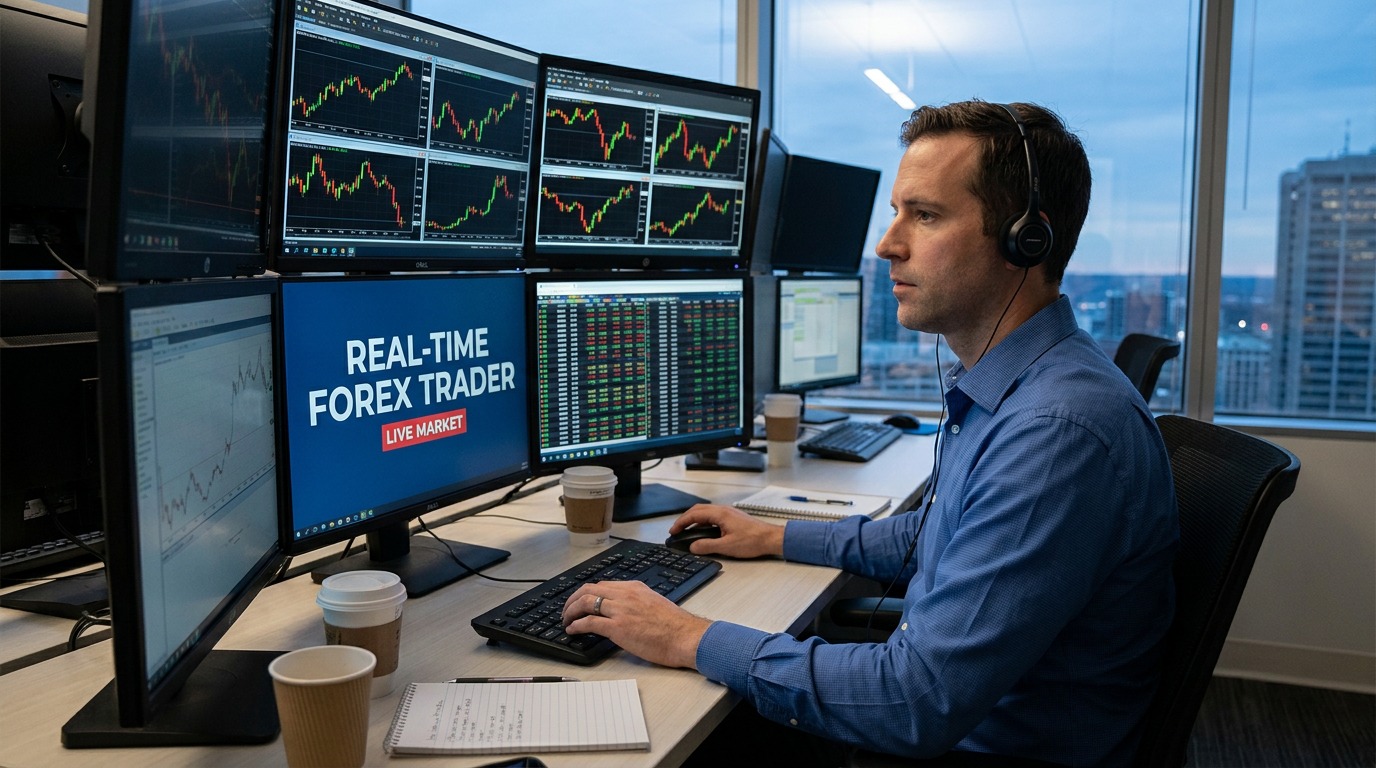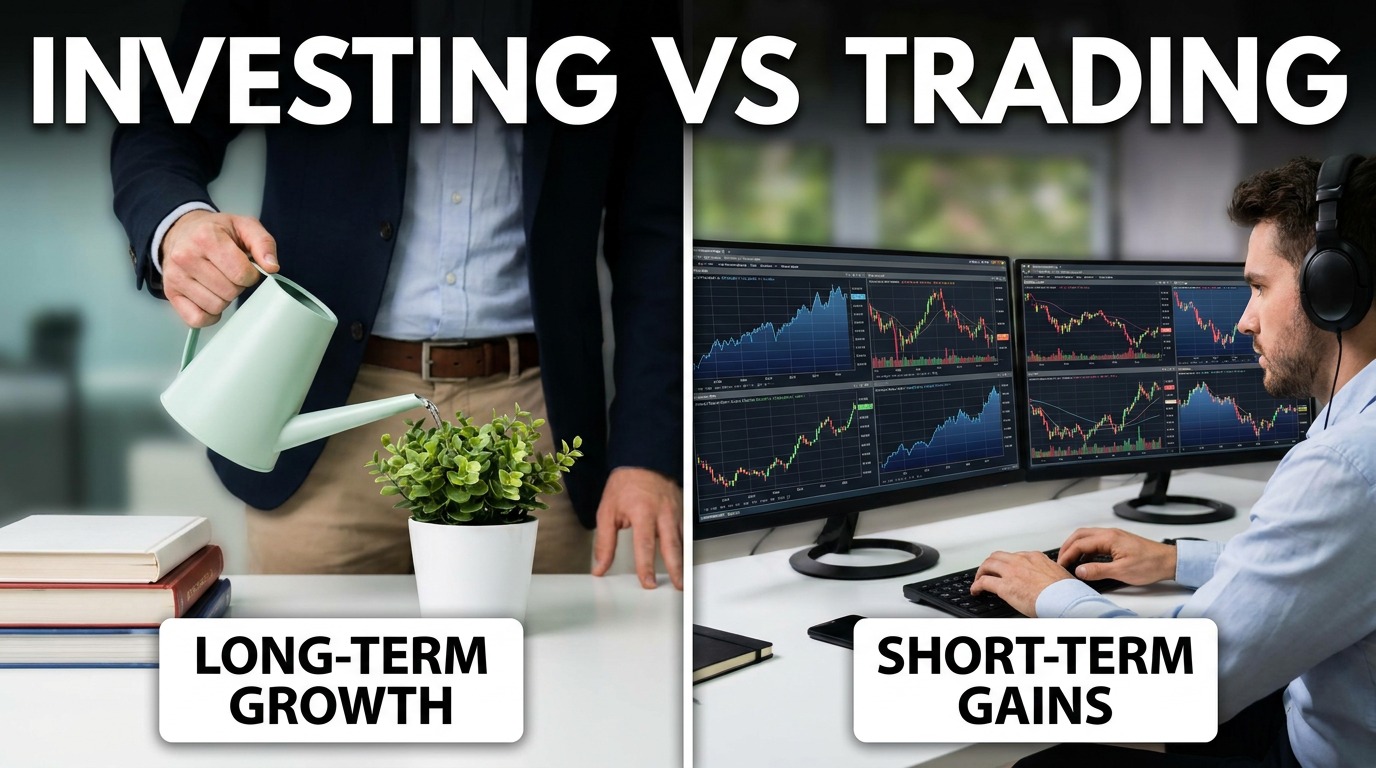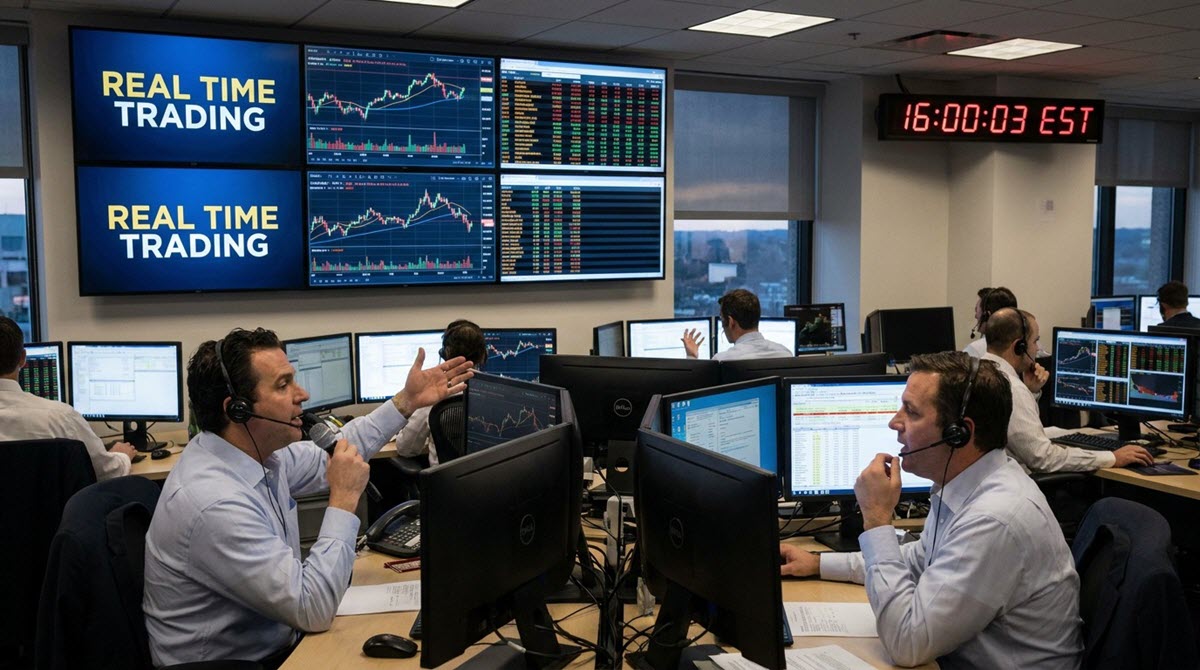
Real time trading has become increasingly accessible as trading platforms, internet infrastructure and market data have improved. Retail traders can now monitor price movements with very little delay, execute positions within seconds and respond almost instantly to market events. This has changed how many participants approach financial markets, particularly those interested in short term opportunities rather than long term investing.
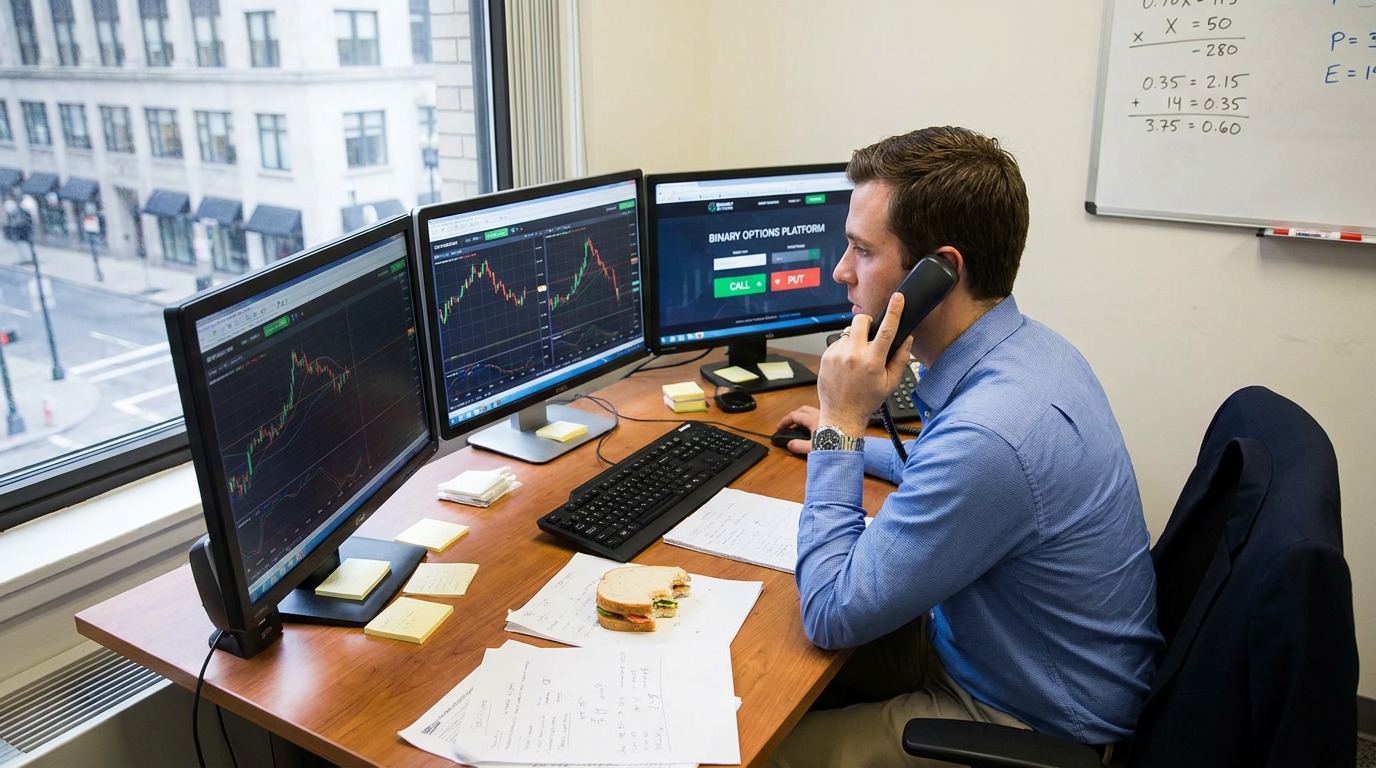
Among the products available to retail traders, binary options remain one of the more debated instruments. Their straightforward payoff structure makes them easy to understand, yet consistently profitable trading remains difficult. Success depends less on understanding the mechanics of a binary option and more on accurately assessing market direction within a limited time horizon.
Like any leveraged or short duration trading product, binary options carry meaningful risk. Some traders appreciate their predefined outcomes and fixed risk per trade, while others prefer instruments that offer greater flexibility over position management. Neither approach is universally superior because suitability depends on trading objectives, experience, risk tolerance and market conditions.
This article examines how real time trading works, where binary options fit within modern financial markets, and the practical considerations traders should evaluate before using them. Rather than promoting or dismissing the instrument, the discussion focuses on its characteristics, limitations and appropriate use alongside broader trading strategies.
What Real Time Trading Means in Practice
Real time trading refers to making trading decisions using live market information as prices change. Unlike end of day investing, where decisions may be based on daily closing prices, real time traders continuously monitor markets during trading sessions and react to new information as it becomes available.
Several components determine whether real time trading is effective. The first is market data. Modern platforms provide continuously updating bid and ask prices, chart data and trading volume. Faster data generally allows traders to react more quickly, although speed alone rarely creates an advantage without a sound trading methodology.
Execution quality also matters. Even when traders correctly identify an opportunity, delays between placing and filling an order may influence the eventual outcome. In highly volatile markets, price movements occurring within only a few seconds can materially change the risk profile of a trade.
Economic announcements illustrate this well. Interest rate decisions, inflation reports and employment data frequently generate sharp price movements immediately after publication. Real time traders often prepare well before these scheduled events, understanding both the expected consensus and the possible reactions if actual figures differ from forecasts.
Despite technological improvements, successful real time trading still depends primarily on discipline. Emotional decision making, excessive trading and inconsistent risk management remain common reasons for poor long term performance. Rapid execution cannot compensate for weak analysis or unrealistic expectations.
Market liquidity should also be considered. Highly liquid markets generally produce tighter spreads and more consistent pricing. Lower liquidity may increase transaction costs and produce larger price gaps, particularly during periods of elevated volatility or outside normal trading hours.
Technology has lowered barriers to entry, but it has also increased competition. Retail traders now compete alongside professional firms using sophisticated analytical tools, automated systems and infrastructure designed to minimise execution delays. This competitive environment means that developing a repeatable process remains more important than simply having access to fast trading software.
Understanding Binary Options
Binary options differ from many traditional financial instruments because they produce only two possible outcomes. At expiration, the position either finishes in the predetermined winning condition or it does not. The trader therefore receives either the fixed payout or loses the amount invested in that position.
The simplicity of this payoff structure explains much of the product’s appeal. A trader does not need to estimate how far a market might move. Instead, the decision focuses on whether the underlying asset will satisfy the contract conditions before expiration.
For example, a trader may predict that a currency pair will finish above its current price after five minutes. If the prediction proves correct according to the contract terms, the fixed return is paid. If not, the position expires without value.
This simplicity should not be confused with ease of profitability. Short expiration periods require traders to forecast price direction over very brief intervals where random market fluctuations often dominate. Even traders with sound analytical methods may experience extended losing streaks because small market movements determine the outcome.
The structure also differs from products such as traditional options or CFDs. Those instruments generally allow profits or losses to vary according to the magnitude of price movement and often permit positions to remain open until manually closed. Binary options typically remove this flexibility by defining both maximum profit and maximum loss before the trade begins.
This predefined risk can benefit traders who prefer knowing their maximum exposure in advance. At the same time, it removes opportunities to adjust positions if market conditions change after entry.
The quality of the trading platform also matters. Pricing transparency, execution reliability and regulatory oversight all influence the trading experience. Traders should evaluate providers carefully before opening an account. Independent educational resources, including https://www.binaryoptions.net, can provide general information about binary options, broker comparisons and market terminology alongside official regulatory guidance.
Another consideration involves market availability. Binary options may be available in one jurisdiction but restricted or prohibited in another. Regulatory authorities have introduced different approaches reflecting concerns about consumer protection, advertising practices and speculative trading activity. Traders should therefore understand the rules applicable within their own jurisdiction before participating.
How Real Time Market Data Shapes Trading Decisions
Real time market data sits at the centre of short term trading. Whether the instrument is a stock, currency pair, commodity or cryptocurrency, every decision depends on the quality and timing of the information available. Delayed prices may have little effect on long term investors, but for positions lasting only a few minutes, even small delays can materially alter trade outcomes.
Price data provides only one part of the picture. Traders also monitor trading volume, volatility, market depth and the timing of scheduled economic releases. Together, these inputs help establish whether current market conditions favour trend following, range trading or avoiding the market altogether.
Volatility deserves particular attention when trading binary options. A quiet market often produces relatively predictable price action, although returns may be limited by the absence of strong directional movement. During periods of elevated volatility, markets can move rapidly in either direction, increasing both opportunity and uncertainty. A price that appears to be moving confidently toward a profitable expiry can reverse within seconds following unexpected news or large institutional orders.
Technical analysis remains widely used because it attempts to organise real time price behaviour into repeatable patterns. Moving averages, support and resistance levels, momentum oscillators and volatility indicators all attempt to identify probabilities rather than certainties. No indicator consistently predicts market direction, but combinations of indicators may improve decision making when applied within a disciplined framework.
Many traders also incorporate macroeconomic analysis into short term trading. Interest rate expectations, inflation releases, employment reports and central bank commentary frequently influence currencies, equity indices and commodity prices. Understanding the broader economic backdrop allows traders to interpret market reactions rather than responding solely to the latest price movement.
Technology has expanded the range of tools available to retail traders. Platforms now provide integrated charting, economic calendars, automated alerts and historical testing capabilities that were once largely reserved for institutional participants. While these resources can improve market analysis, they cannot eliminate uncertainty. Financial markets remain influenced by changing sentiment, unexpected events and behaviour that cannot always be explained by historical patterns.
Latency represents another consideration for active traders. The time required for market information to reach the trader, followed by the execution of an order, may affect results when prices change rapidly. For strategies operating on very short time frames, execution quality can become almost as important as the analytical model itself.
Despite improvements in technology, many experienced traders emphasise preparation over reaction. Trading plans are typically developed before markets open or before scheduled economic events. Entry conditions, acceptable risk levels and exit criteria are defined in advance, reducing the temptation to make emotional decisions once volatility increases.
Risk, Probability and Money Management
The defining characteristic of every trading strategy is uncertainty. No methodology guarantees profitable outcomes because financial markets reflect the combined actions of millions of participants responding to new information, changing expectations and varying investment objectives. Binary options do not alter this reality. They simply package market uncertainty into a fixed payout structure.
Probability therefore becomes more important than prediction. Rather than attempting to forecast every individual trade correctly, experienced traders generally evaluate whether their strategy produces favourable results across a large sample of trades. Individual outcomes matter less than the long term relationship between winning frequency, average returns and losses.
Binary options introduce an additional consideration because the potential reward is usually smaller than the amount risked. For example, a successful trade may return 80 percent while an unsuccessful trade loses the full stake. This means traders often require a win rate well above 50 percent simply to break even. The exact threshold depends on the payout structure offered by the broker.
Money management becomes particularly important under these conditions. Risking a large proportion of trading capital on individual positions increases the probability that temporary losing streaks will produce permanent losses. Conservative position sizing helps preserve capital while allowing a strategy sufficient time to demonstrate whether it possesses a genuine statistical edge.
Emotional discipline frequently separates consistent traders from inconsistent ones. Consecutive losses may encourage larger position sizes in an attempt to recover quickly, while winning streaks can produce excessive confidence and unnecessary risk taking. Both responses may undermine an otherwise sound trading methodology.
Performance evaluation should also extend beyond profitability alone. Traders benefit from recording entry rationale, market conditions, execution quality and psychological factors surrounding each position. A trading journal often reveals recurring behavioural patterns that cannot be identified from account statements alone.
Expectations require careful management as well. Marketing material occasionally presents short term trading as a straightforward method of generating income. In practice, achieving consistent profitability requires extensive practice, continuous review and acceptance that periods of weak performance are unavoidable. Most successful traders devote considerable time to refining strategies before committing substantial capital.
Risk management also involves recognising when not to trade. Markets experiencing abnormal volatility, unusually low liquidity or heightened uncertainty may offer attractive price movement but also produce less reliable trading conditions. Choosing to remain inactive during such periods represents an active trading decision rather than a missed opportunity.
Diversification can reduce overall portfolio risk for investors, but it has more limited application within very short term binary options trading because positions often share similar market drivers. Traders should therefore avoid assuming that multiple simultaneous trades automatically reduce exposure. If several positions depend on the same economic announcement or correlated assets, losses may occur simultaneously.
Capital preservation remains the foundation of sustainable trading. Opportunities appear every trading day, whereas depleted trading capital limits the ability to participate in future opportunities. This principle applies regardless of the financial instrument being traded.
Comparing Binary Options with Other Short Term Trading Instruments
Binary options occupy only one segment of the broader short term trading market. Retail traders may also choose contracts for difference, exchange traded options, futures contracts or direct ownership of financial assets depending on their objectives and regulatory environment.
Contracts for difference provide greater flexibility because profits and losses vary with the size of the underlying price movement. Positions may remain open for extended periods and can usually be closed before the trader’s original target is reached. This flexibility allows more active position management but also exposes traders to potentially larger losses if risk controls are not followed.
Exchange traded options serve a different purpose. They may be used for speculation, hedging or income generation and involve pricing factors beyond simple market direction, including implied volatility and time decay. Although more complex than binary options, they provide a wider range of strategic possibilities for experienced market participants.
Futures contracts are commonly used by institutional investors, commercial hedgers and professional traders. They offer direct exposure to underlying markets but often require a stronger understanding of leverage, margin requirements and contract specifications.
For some traders, the simplicity of binary options remains their primary attraction. Maximum profit and maximum loss are known before entering a position, reducing uncertainty regarding financial exposure. Others view this same characteristic as restrictive because profitable positions cannot usually benefit from larger than expected market moves.
No single instrument is objectively superior across all market conditions. The appropriate choice depends on trading objectives, available capital, experience, regulatory access and the amount of time a trader can devote to market analysis. Matching the instrument to the strategy generally produces better outcomes than attempting to adapt every strategy to the same trading product.